
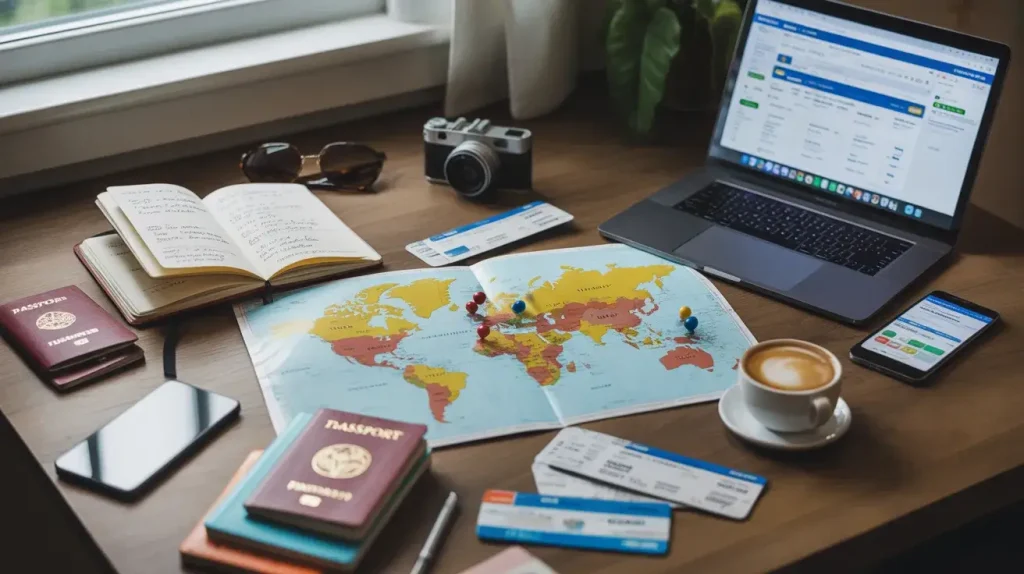
Learning how to organise a trip properly is the difference between a smooth, enjoyable journey and a chaotic experience filled with missed bookings, confusion, and last-minute stress. Most people think trip planning is just about choosing a destination and booking tickets—but in reality, it’s a structured process that requires planning, coordination, and timing.
I learned this during my first group trip with friends. We were excited about a mountain getaway, but because we didn’t plan properly, half the group arrived late, food arrangements were unclear, and we forgot essential gear. That trip taught me a simple truth: successful travel is always built on smart organization.
In this guide, you’ll learn a step-by-step approach using a practical system inspired by real travel planning methods used in outdoor and group travel setups.
Content
Start with a Clear Trip Idea and Purpose: How to Organise a Trip
The first step in understanding how to organise a trip for beginners is choosing a clear purpose. Every successful trip starts with one simple question: What kind of experience do you want?
It could be:
- A relaxing holiday
- A hiking adventure
- A cultural city tour
- A group travel experience
Once you define the purpose, everything else becomes easier—destination, budget, timing, and travel style.
At this stage, research is important. Look into locations, weather conditions, and travel reports. This is where basic travel planning tips help you avoid unrealistic expectations and choose a destination that fits your group or personal needs.
Build a Simple but Effective Trip Plan
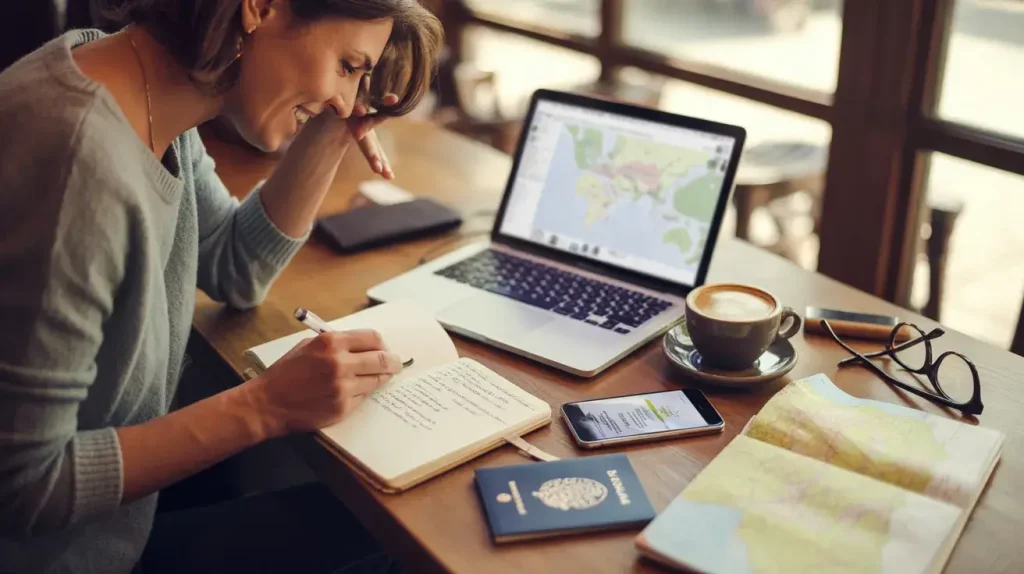
Once your destination is clear, the next step in how to organise a trip itinerary easily is building a basic structure.
A strong trip plan includes:
- Travel dates
- Transport options
- Accommodation ideas
- Daily activity outline
- Estimated budget
You don’t need perfection at this stage. Think of it as a flexible vacation planning checklist that will guide your decisions.
When I planned a recent trip to a coastal city, I didn’t overcomplicate things. I simply listed travel days, hotel options, and two main activities per day. That simple structure saved us from confusion later and made the trip flow smoothly.
Organising Group Travel and Invitations
If you’re planning with others, knowing how to organise a trip for family vacation or group travel becomes even more important.
Start by sending a simple invitation message or email that includes:
- Destination idea
- Expected cost range
- Travel dates
- Response deadline
Once people confirm, use a group chat to coordinate everything.
This stage is all about clarity. Avoid confusion by assigning roles such as:
- Transport coordinator
- Accommodation handler
- Budget tracker
This approach is commonly used in structured travel groups and is highly effective for smooth coordination.
Budget Planning and Travel Arrangements
Budget is one of the most important parts of how to organise a trip on a budget.
Break your expenses into:
- Transport
- Accommodation
- Food
- Activities
- Emergency buffer
Always add a small extra buffer for unexpected costs. It prevents financial stress during the trip.
At this stage, booking early is also crucial. Flights and hotels often become expensive closer to the travel date. Early planning ensures better deals and more options.
Safety, Preparation, and Smart Travel Practices
A key part of modern travel organization tips is safety planning. Even simple trips benefit from basic preparation.
Before departure:
- Check weather forecasts
- Share your itinerary with a trusted contact
- Keep emergency contacts saved
- Carry basic medical supplies
If you are planning outdoor or adventure travel, safety becomes even more critical. Always understand your route and expected conditions before leaving.
This is especially important for anyone planning a checklist for stress-free travel, because safety planning directly reduces last-minute problems.
Packing and Trip Readiness
Even though packing seems like a separate task, it is deeply connected to successfully organising a trip. This becomes especially relevant when planning different types of travel, including senior trip ideas, where comfort, accessibility, and smart packing choices play a major role in ensuring a smooth experience.
A smart packing approach includes:
Weather-appropriate clothing
Comfortable footwear
Essential travel documents
Basic toiletries
Chargers and electronics
Avoid overpacking. One of the biggest mistakes travelers make is carrying unnecessary items that they never use. Efficient packing supports smooth movement and stress-free travel days.
Real-Life Case Study: A Trip That Changed My Planning Style
A few years ago, I joined a hiking group trip organized by a friend. It was a multi-day mountain journey, and the organizer followed a structured planning system that completely impressed me.
Before the trip, we received:
- A detailed itinerary
- Gear checklist
- Transport schedule
- Emergency contact plan
- Group coordination instructions
Everything was clear.
Because of this preparation, the trip went smoothly despite unpredictable weather. Everyone knew their responsibilities, gear was properly packed, and timing was perfectly managed.
This experience completely changed how I approach how to organise a trip itinerary and plan ahead. I realized that good travel is never accidental—it is always planned.
Common Mistakes to Avoid When Organising a Trip

Even experienced travelers make mistakes when learning how to efficiently organise a trip and save money.
Avoid:
- Planning too late
- Ignoring weather conditions
- Not setting a clear budget
- Overpacking unnecessary items
- Poor communication in group travel
These mistakes can easily turn a good trip into a stressful one.
Final Thoughts
Understanding how to organise a trip is a skill that improves with experience. The more you plan, the more efficient you become. A well-structured trip planning guide helps you save time, reduce stress, and enjoy the journey fully.
Whether you are traveling solo, with family, or in a group, the key is always the same—plan clearly, stay flexible, and prepare smartly.
Travel is not just about reaching a destination; it’s about enjoying every step of the journey. And that journey always begins with good organization. For more information visit our website besttipsfortraveling
FAQ’s:
How do I organise a trip as a beginner?
Start with a destination, set a budget, create a simple itinerary, and book essentials early.
What is the first step in planning a trip?
Choosing your destination and defining the purpose of travel.
How do I organise a trip on a budget?
Plan early, compare prices, avoid peak seasons, and track expenses carefully.
What should be included in a travel planning checklist?
Transport, accommodation, itinerary, budget, safety plan, and packing list.

Harry is someone who loves to travel. He loves the experience of new cultures and seeing different ways of life. He also enjoys meeting people from all over the world. He lives in a big city, but he is always looking for an adventure.


